



IL-4 Inhibitor
-
Dupilumab
 0 ImagesSynonyms: REGN-668; SAR-231893
Dupilumab (REGN-668) is a fully human mAb to IL-4 receptor α (IL-4Rα) that inhibits both IL-4 and IL-13 signaling, markedly improved moderate-to-severe atopic dermatitis.
-
Ritlecitinib
 0 ImagesSynonyms: PF-06651600
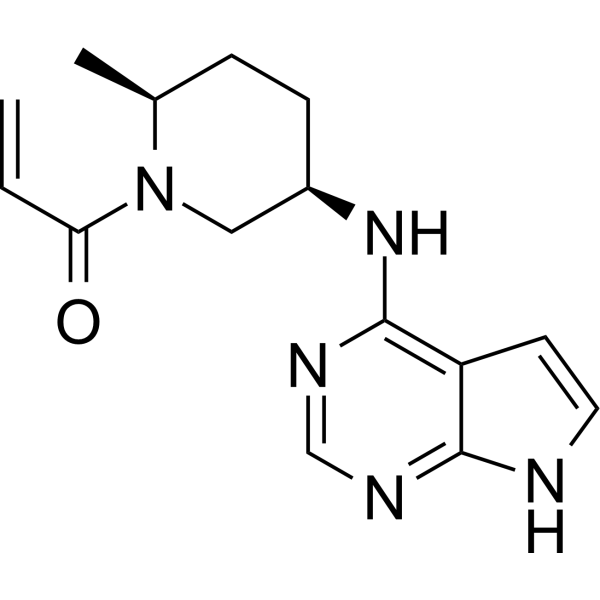
Ritlecitinib (PF-06651600) is a highly selective, orally active, irreversible covalent JAK3 inhibitor (IC50=33 nM) without inhibitory activity towards JAK1, JAK2, and TYK2 (IC50 >10 μ M). Ritlecitinib rapidly inactivates the JAK3 kinase, and blocks signaling and downstream STAT phosphorylation mediated by common gamma chain cytokines such as IL-2 and IL-15. Ritlecitinib can inhibit Th1/Th17 cell differentiation and function, and effectively suppress preclinical animal models such as alopecia areata, adjuvant-induced arthritis (AIA), and experimental autoimmune encephalomyelitis (EAE).
-
Tilrekimig
 0 ImagesCat. No.: HY-P991162CAS No.: 2981469-90-1Synonyms: PF-07275315
Tilrekimig (PF-07275315) is a monoclonal antibody targeting human interleukin-4 (IL-4), interleukin-13 (IL-13) and thymic stromal lymphopoietin (TSLP). Tilrekimig can be used in the research of allergic and inflammatory diseases, such as asthma and atopic dermatitis.
-
Chamaejasmine
 0 ImagesSynonyms: Chamaejasmin
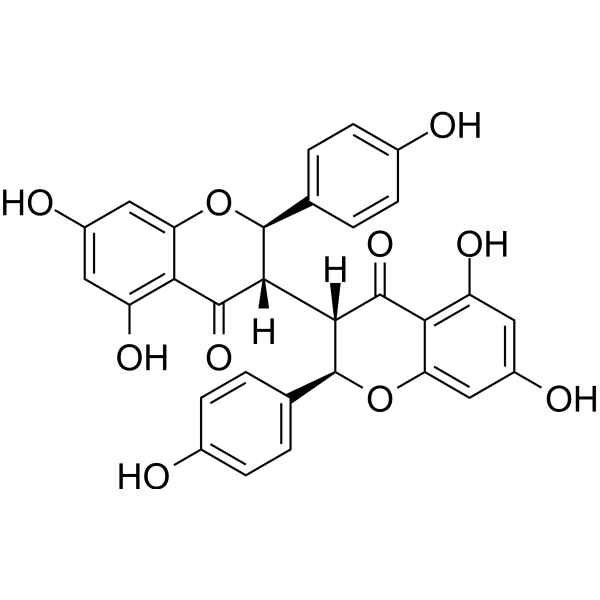
Chamaejasmine (Chamaejasmin) is a natural biflavonoid found in the roots of Stellera chamaejasme, exhibiting antitumor activity. Chamaejasmine inhibits Bcl-2, upregulates Bax, and induces cleavage of caspase-9/-3 and PARP. Chamaejasmine induces ROS production, Δψm loss, cytochrome c release, G2/M arrest, apoptosis, and autophagy. Chamaejasmine induces apoptosis and autophagy through activation of AMPK and inhibition of mTOR, and inhibits microtubule depolymerization by binding to β-tubulin. Chamaejasmine inhibits IL-4, IgE, β-hexosaminidase, and mast cell infiltration, and improves skin barrier function in AD models. Chamaejasmine exhibits cytotoxicity against various cancer cells. Chamaejasmine can be used in research related to various cancers such as lung adenocarcinoma and osteosarcoma, as well as atopic dermatitis.
-
TSLP-IN-1
 0 Images
TSLP-IN-1 is a potent thymic stromal lymphopoietin (TSLP) inhibitor. TSLP-IN-1 disrupts TSLP-TSLPR protein-protein interaction, and downregulates IL-4 and IL-13. TSLP-IN-1 can be used for the research of inflammation diseases, such as skin disease, asthma, and allergies.
-
Anti-Mouse IL-4 Antibody (11B11)
 0 ImagesCat. No.: HY-P990121
Anti-Mouse IL-4 Antibody (11B11) is an anti-mouse IL-4 IgG1 monoclonal antibody. Anti-Mouse IL-4 Antibody (11B11) can inhibit Th2 cell differentiation by blocking the IL-4 signaling pathway. Anti-Mouse IL-4 Antibody (11B11) can significantly reduce fibrosis combined with anti-IL13 mAb. Anti-Mouse IL-4 Antibody (11B11) can be used for researches on cancer and inflammation conditions such as colorectal cancer and prostatitis.
-
Pyrrothiogatain
 0 ImagesCat. No.: HY-138113CAS No.: 477888-48-5
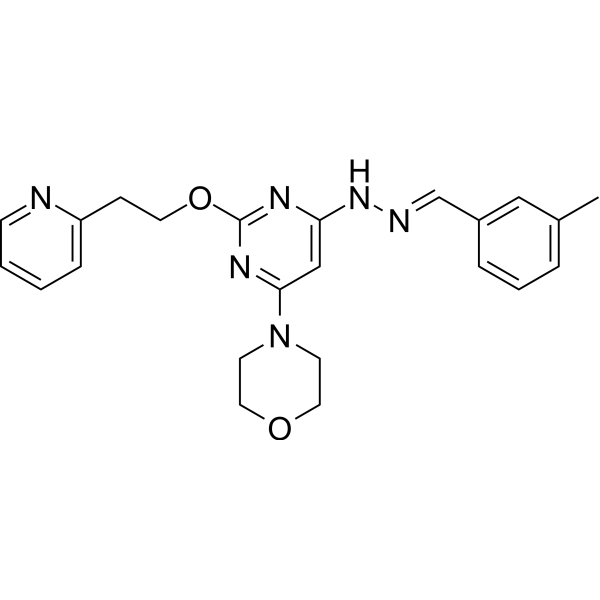
Pyrrothiogatain is a transcription factor GATA3 inhibitor with an IC50 of 54.7 μM. Pyrrothiogatain inhibits the DNA-binding activity of GATA3 and inhibits the T helper 2 (Th2) cell differentiation and expression of Th2 cytokines. Pyrrothiogatain shows anti-infection effect by inhibiting ACE2 expression. Pyrrothiogatain can be used for the researches of inflammation, immunology, infection and cancer, such as colon cancer and SARS-CoV-2 infection.
-
Apilimod mesylate
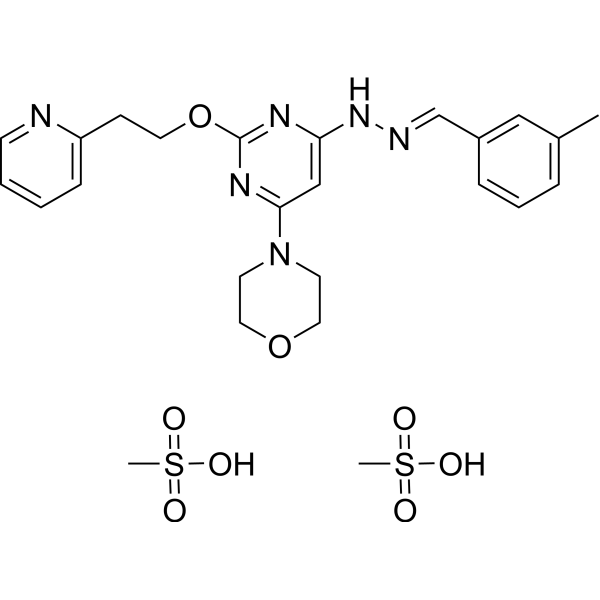 0 ImagesSynonyms: STA 5326 mesylate; LAM-002A; AIT-101 mesylate
-
Stapokibart
 0 ImagesSynonyms: CM310
Stapokibart (CM310) is a humanized monoclonal antibody targeting IL-4Rα (KD values of 0.25 nM, 1.50 nM, and 2.75 nM for human, cynomolgus monkey, and rat IL-4Rα, respectively). Stapokibart effectively blocks the interaction of cytokines IL-4 and IL-13 with their co-receptor subunit IL-4Rα. Stapokibart reduces IL-4 and IL-13 mRNA, inhibits CD23 upregulation, and inhibits IL-4 and IL-13-induced STAT6 activation. Stapokibart improves inflammation (airway inflammation, rhinitis, dermatitis).
-
Epinastine
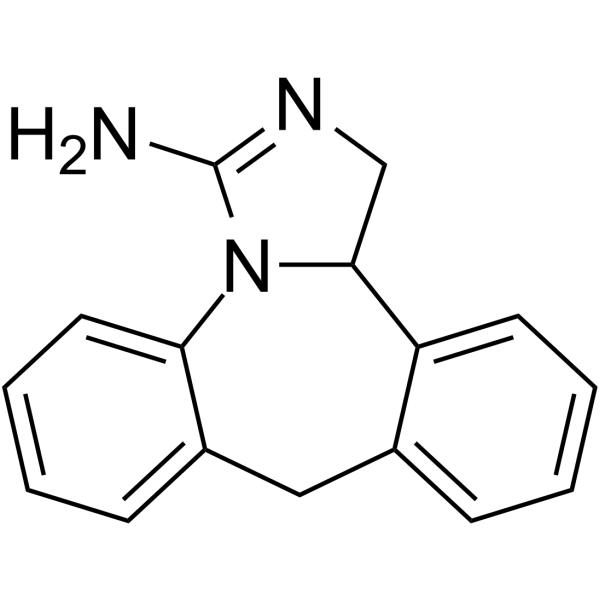 0 ImagesSynonyms: WAL801
Epinastine (WAL801) is a selective and orally active histamine H1 receptor antagonist, CD96/PVR inhibitor and mast cell stabilizer. Epinastine has high affinity for neuronal octopamine receptors in locusts (Ki = 2 nM) and honeybees (Ki = 1.1 nM). Epinastine hydrochloride inhibits TARC, IL-8, and IL-4. Epinastine activates anti-colon cancer immunity and inhibits Substance P (HY-P0201)-induced scratching behavior and increased vascular permeability. Epinastine can be used in the research of allergic diseases.
-
Aloin (mixture of A&B)
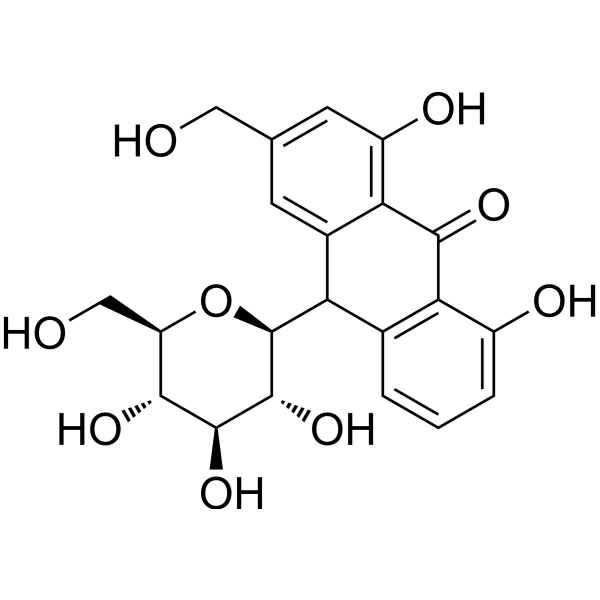 0 Images
Aloin (mixture of A&B) is an orally active anthraquinone derivative isolated from Aloe vera. Aloin (mixture of A&B) mitigates airway impairment and exerts neuroprotective, anti-inflammatory, antioxidant, antibacterial, antifungal, antiviral and antitumor effects. Aloin (mixture of A&B) inhibits Clostridium histolyticum collagenase, granulocyte matrix metalloproteinases and human 20S proteasome. Aloin (mixture of A&B) upregulates the Nrf2/HO-1 pathway, suppresses the TGF-β/Smad2/3 pathway. Aloin (mixture of A&B) reduces IL-4/IL-5/IL-13 levels, and reverses oxidative stress markers (MDA, SOD, GSH). Aloin (mixture of A&B) can be used for research on chronic ulcers, burns, wounds, inflammatory and degenerative disorders, asthma and neuroblastoma.
-
Atinvicitinib
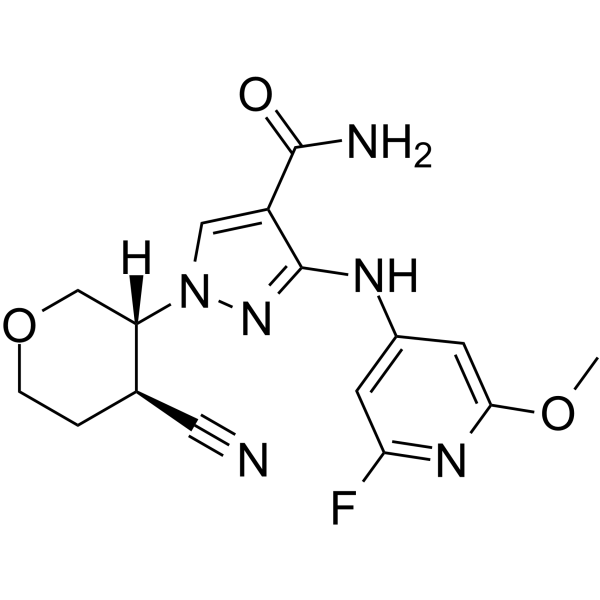 0 Images
Atinvicitinib is an orally active and selective JAK1 inhibitor. Atinvicitinib blocks signaling of JAK1-dependent pruritogenic and pro-inflammatory cytokines, including those in the IL-31, IL-4, and IL-13 pathways. Atinvicitinib can be used for the researches of pruritus associated with allergic dermatitis and canine atopic dermatitis.
-
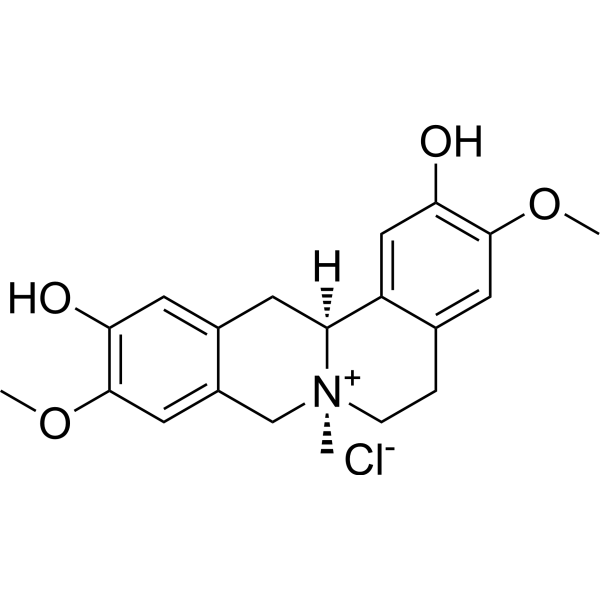
Phellodendrine chloride
 0 Images
Phellodendrine chloride is an orally active plant alkaloid. Phellodendrine chloride inhibits the proliferation of KRAS-mutated pancreatic cancer cells by suppressing macropinocytosis and glutamine metabolism, inducing ROS accumulation and mitochondrial apoptosis. Phellodendrine chloride promotes autophagy by activating the AMPK/mTOR pathway, alleviating intestinal damage in ulcerative colitis. Phellodendrine chloride can alleviate gouty arthritis by inhibiting the IL-6/STAT3 signaling pathway. Phellodendrine chloride suppresses allergic reactions by altering the conformation of MRGPRB3/MRGPRX2 protein, thereby inhibiting the activation of PKC and subsequent downstream MAPK and NF-κB signaling. Phellodendrine chloride inhibits the AKT/NF-κB pathway and down-regulates the expression of COX-2, thereby protecting zebrafish embryos from oxidative stress. Phellodendrine chloride has an anti-major depressive disorder (MDD) effect by down-regulating CHRM1, HTR1A, and the PI3K/Akt signaling pathway.
-
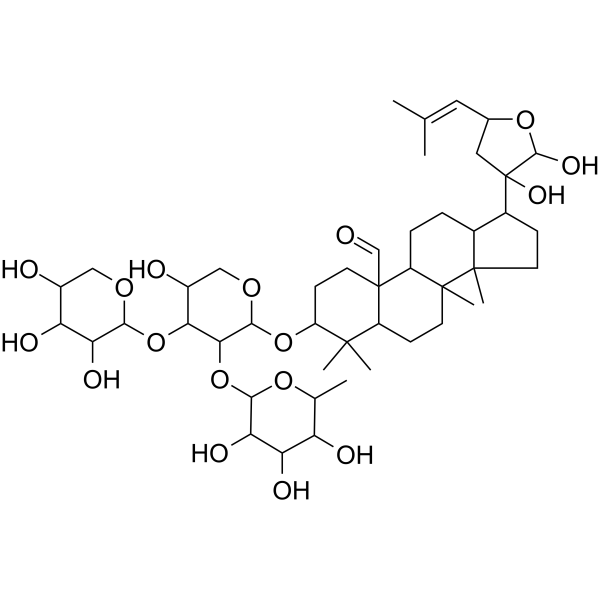
Gypenoside A
 0 Images
Gypenoside A is an orally active triterpenoid compound that can be isolated from Gynostemma pentaphyllum. Gypenoside A has anti-inflammatory and antioxidant activities. Gypenoside A also has a certain protective effect on cardiomyocytes and can inhibit apoptosis. Gypenoside A can be used in the research of cardiovascular diseases and inflammation-related diseases.
-
IL4I1-IN-1
 0 Images
IL4I1-IN-1 (Compound Ex 232 pg 200) is a selective interleukin 4-induced protein 1 (IL4I1) inhibitor with an EC50 of 2 nM. IL4I1-IN-1 inhibits IL4I1-mediated oxidative deamination of phenylalanine, reducing the production of phenylpyruvate, H2O2 and NH3. IL4I1-IN-1 is promising for research of cancers with high IL4I1 expression, such as endometrial carcinoma, ovarian cancer, and triple-negative breast cancer.
-
PQA-18
 0 Images
PQA-18 is a unique PAK2 inhibitor (IC50: 10 nM). PQA-18 has immunosuppressing effects. PQA-18 suppresses IL2, IL4, IL6, and TNFα. PQA-18 inhibits the population of a subset of regulatory T cells and the immunoglobulin (Ig) production against T cell-dependent antigens as well as alleviates dermatitis in mice.
-
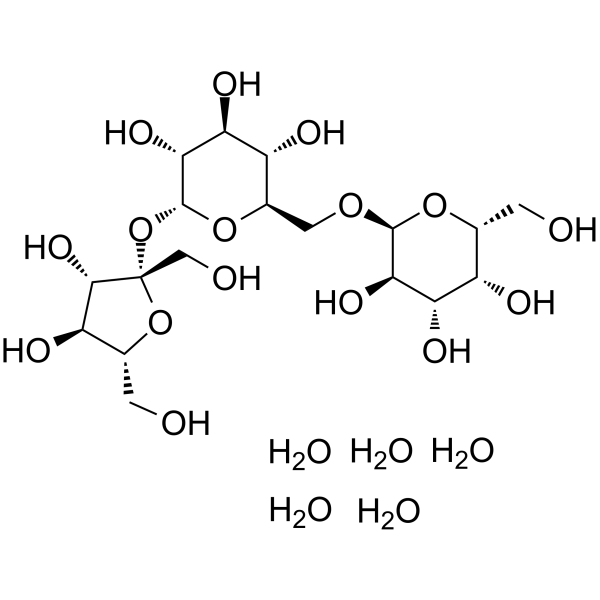
D(+)-Raffinose pentahydrate
 0 ImagesSynonyms: D-Raffinose pentahydrate
D(+)-Raffinose pentahydrate is an orally active inhibitor of LecA (Kd = 32 μM) and GtfC. D(+)-Raffinose pentahydrate reduces cyclic diguanylate (c-di-GMP) by increased activity of a c-di-GMP specific phosphodiesterase. D(+)-Raffinose pentahydrate interferes with GTF function. D(+)-Raffinose pentahydrate decreases IL-4 and IL-5 mRNA. D(+)-Raffinose pentahydrate exhibits biofilm-inhibitory activity against Pseudomonas aeruginosa and Streptococcus mutans and inhibits allergic airway eosinophilia.
-
Suplatast (Tosilate)
 0 ImagesSynonyms: IPD 1151T



